
Moana & the Tribe present ONO – Six Songs, Six Nations, ONE VOICE
Moana & the Tribe present ONO – Six Songs, Six Nations, ONE VOICE
November 1st, 2024
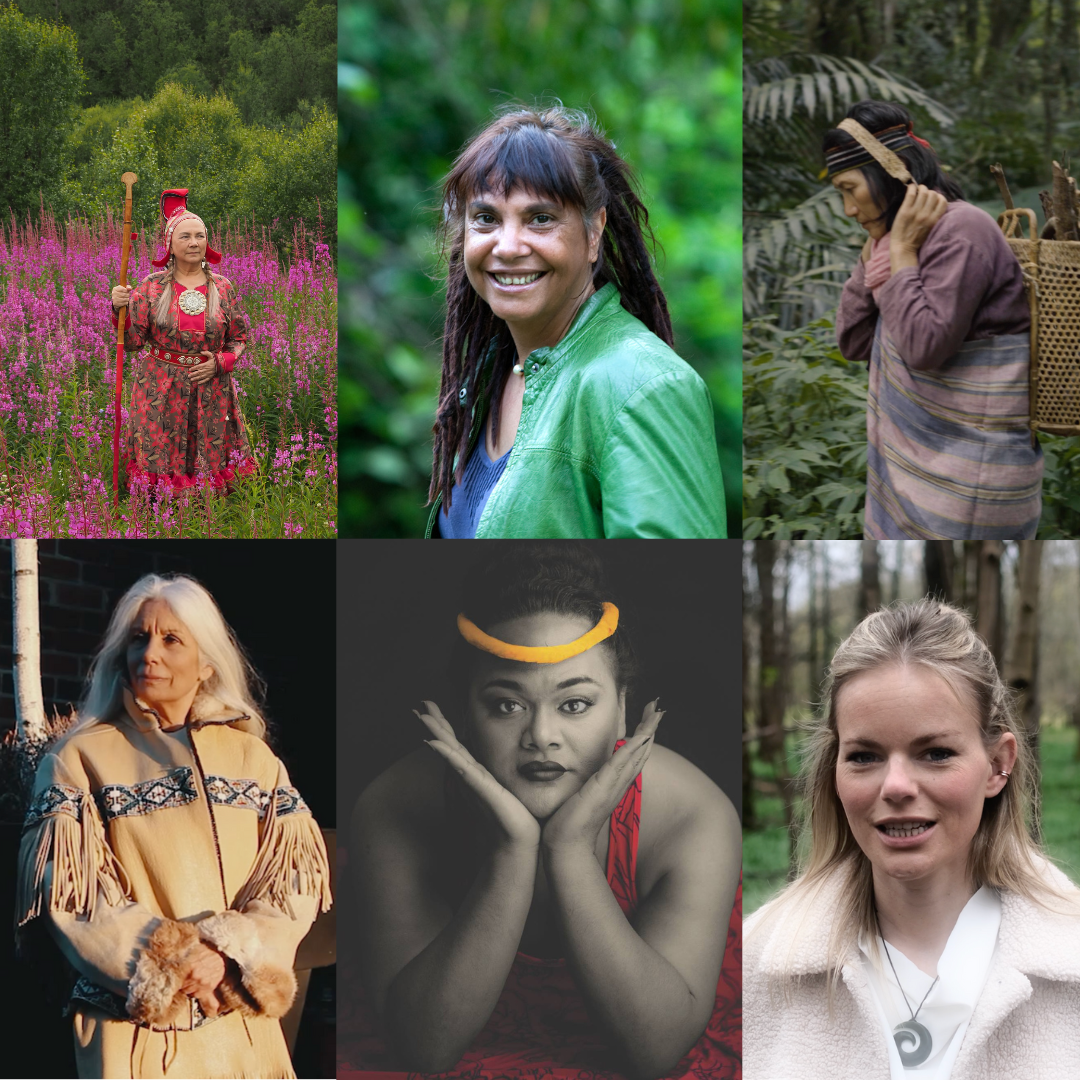
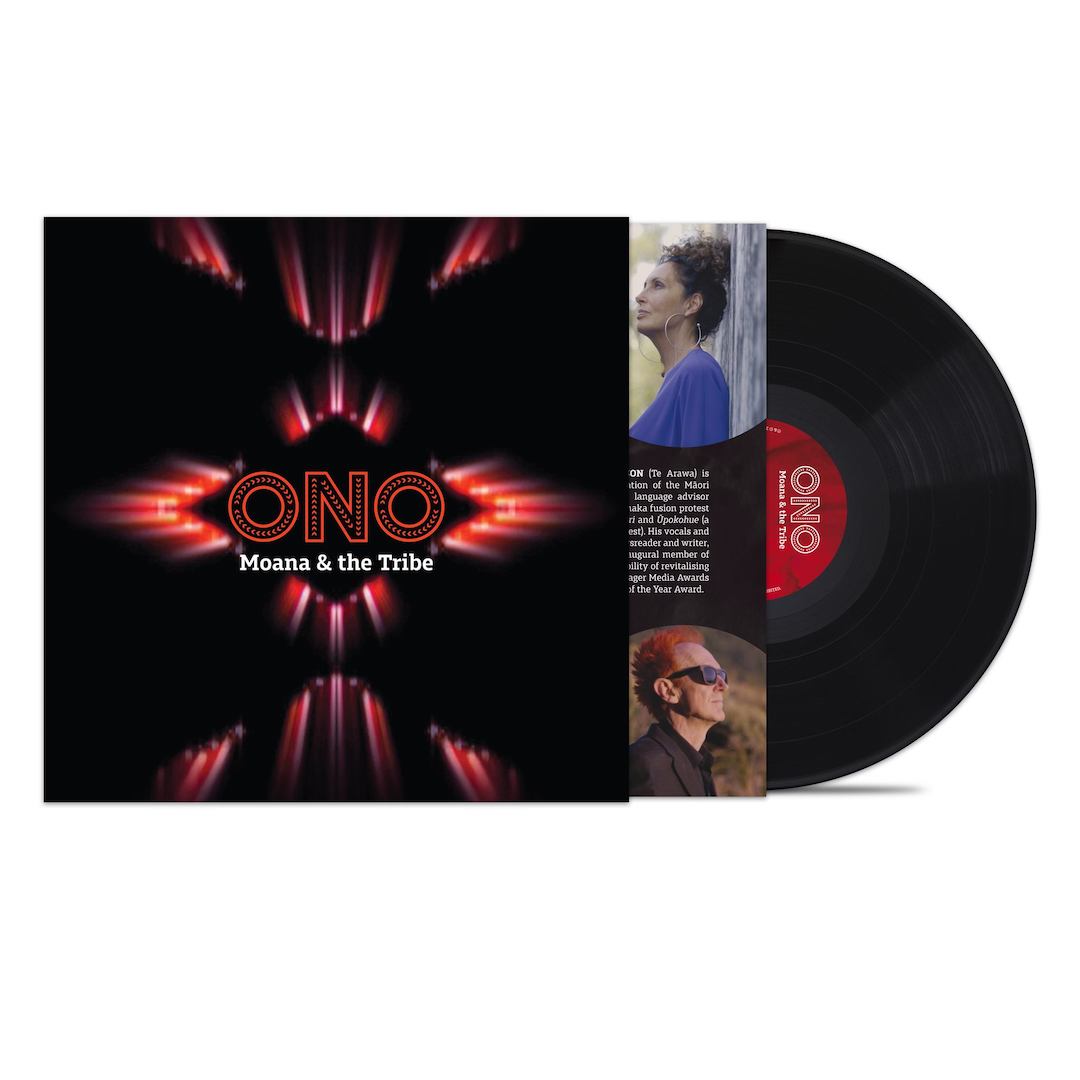
ONO means six in Māori. It is also the title of a concept album project that begins in Aotearoa New Zealand and travels the world. Each song showcases the voice, language and culture of six Indigenous wāhine from lands where Moana & the Tribe has performed.
The Māori lyrics written by Te Manahau Scotty Morrison are inspired by traditional karakia (incantations) and pay homage to “people power”, relationships and language.
From the Arctic Circle to the highlands of Scotland; from Canada to the misty mountains of Taipei; out of Australia and up to the islands of Hawai‘i, producers Paddy Free and Moana Maniapoto mix sublime vocals with electronica-dub to create a World Music album that symbolises hope and unity.
Maniapoto comments, “ONO was a highly ambitious concept. Not sure what I was thinking. It was probably more about what I was feeling.”
“I’ve always been into fusing haka with hip hop, mōteatea with soul, taonga pūoro with western instruments, Māori with English, classical with contemporary, passion with politics. I love that it’s normal now. It wasn’t always. My friend and manager Sol de Sully has taken me and my band around the world to strange lands, where we saw ourselves in the people we met.
ONO builds on those connections. It celebrates solidarity, shared colonial experience, and the rich diversity of Indigenous cultures”.
Moana & the Tribe – ONO – Track By Track
Āio Ana – NORWAY
Sol suggested I head to Womad New Zealand to meet Sámi artist Mari Boine — she of the ethereal voice and compelling songs. I read up about her long fight to raise the visibility of the Indigenous people of Northern Europe — their language and culture — through music. Same, same, I thought. Only with snow and reindeer.
Mari and I hit it off immediately. I asked if she could pop over to the tiny village of Inari in Finland. Paddy and I were performing at the Skábmagovat Film Festival, north of the Arctic Circle. She did. Paddy pushed play in a recording studio. I knew it would work. Not just because of Mari’s extraordinary talent. But because Māori and Sámi have such a long and close relationship. Our people both raise our respective flags on February 6. This lullaby is incredibly intimate, evoking the icy beauty of Mari’s homeland. At the 2022 Royal Edinburgh Military Tattoo, the Highland Divas sang a Māori verse from ‘Āio ana’ to a live audience of around 170,000 with another 100 million watching on the BBC.
Huakirangi – AUSTRALIA
I’d met Shellie Morris before Boomerang Festival. Rhoda Roberts, head of Indigenous Programmes at the Sydney Opera House, talked my sister Trina and me into collaborating with four Indigenous Canadian and Australian wāhine.
During her career, Shellie has captured around 17 endangered languages through song. That kind of thing is not for the faint-hearted, especially when the aunties are on duty, monitoring every syllable. Scarier than Scotty, I’m picking.
Shellie recorded her vocals in Melbourne, then whizzed the stems across the Pacific Ocean and through the sky to Paddy. Fitting really. The lyrics of “Huakirangi,” performed in both te reo and Gadigal, explore the relationship between night and day, sun and moon.
Tōku Reo – TAIWAN
Years ago, while touring Taiwan, our band saw photographs of kuia wearing tā moko. Same, same, but also quite different.
My friend Masao Aki suggested his cousin Inka Mbing might be “the one”. She had fought to revive the reo of her Atayal people, one of 16 Indigenous nations officially recognised by Taiwan.
Mates Tobie and Sean drove Paddy and me into the mountains. I told Inka that my dad was strapped for speaking Māori at school, and that others had their mouths washed out with soap. Inka said her people were colonised by both the Japanese and Chinese, that the first song she learned was Japanese, and that she was beaten for speaking Atayal at school. We both got teary. Inka told Paddy to push play. He did.
“Tōku Reo,” celebrates language. It makes me think of a lithe warrior woman in the misty mountain tops beyond Taipei, whose eyes melted beside mine.
Tū – CANADA
I met the multiple award-winning artist Jani Lauzon years ago in Toronto after seeking out a guest vocalist to join our band onstage for the Harbourfront Festival. We couldn’t believe her vocals. Such range and power.
Canada was always on my radar. I had toured there with my band, screened my documentaries at film festivals, and spoken at conferences. So, I tracked Jani down. A Métis multidisciplinary artist from East Kootenay, Jani sent her vocal files to Paddy, and then was filmed (by her daughter, on her phone) on the deserted streets of Toronto during their Covid lockdown.
“Tū” is a celebration of tohi. It’s a traditional ritual to instil insight and wisdom, courage and fortitude in the newborn. When my daughter was a baby, our whānau stood in Lake Taupō with our kaumātua Te Kanawa Pitiroi performing the tohi. To me, Jani’s intense vocals reflect the power and urgency of tohi, where our ancestral past infuses the future.
Ātahu – HAWAI‘I
Maniapoto describes the genesis of this particular collaboration, “I was keen to find a Hawaiian vocalist for our final song but struggled. I mentioned it to reo advocate Hemi Kelly in 2023. He recommended Kaumakaiwa Kanaka’ole. My manager, Sol, tracked her down and I flew to O‘ahu to be with her when she recorded her vocals.
“Kaumakaiwa told me that we’d met 20 years ago amid the dusty, majestic ruins of Greece. My group represented Aotearoa New Zealand in the Cultural Olympiad that led up to the 2004 Olympic Games in Athens. Our cohort included Indigenous Australian, Lakota Sioux and native Hawaiians. It was hugely challenging in the heat. Fascinating though because we four groupings were immediately in the same zone.
“Kaumakaiwa was a teenager then, the star of the Hawaiians group. Since then the transgender Hawaiian (mahu wahine) has been described as the voice of a generation. It was astounding and perhaps prescient that we ended up collaborating again twenty years after – like it was meant to be.”
‘Ātahu’ is a mixture of spoken word, whispers, haunting refrains and ‘oli chants. The theme of the waiata is magic. It’s a love charm. Kaumakaiwa weaves a spell in and around the seductive groove created by Paddy Free.
Maiea – SCOTLAND
The Gaelic language of Scotland is courtesy of Megan Henderson, lead singer and violinist for the award-winning Scottish band Breabach. Megan and I first met when 21 artists from Aotearoa New Zealand, Australia and Scotland hunkered down at the Muriwai Surf Club to write and perform songs.
I was worried. The bagpipes were the loudest instruments we’d ever come across. We also knew very little about Scotland. But copious amounts of beer, kai and kōrero bridged the gap. A shared experience of colonisation nudged things along too. Suddenly the bagpipes and haka merged as symbols of absolute defiance. We played at Womad New Zealand, the Sydney Opera House and HebCelt on the Isle of Lewis.
“Maiea” is a karakia to soothe the troubled mind. Scotty whispers the beautiful kupu, as Megan’s bell-like voice is like a beautiful chime, heralding peace.
Album Credits/Ngā mihi
Producers
Paddy Free, Moana Maniapoto
Mixing
P. Free
Mastering
Angus McNaughton
Pou Ārahi Reo
Scotty Morrison
Songwriters
P. Free, M. Maniapoto, S. Morrison, J. Lauzon, M. Boine, I. Mbing, K. Kanaka‘ole, M. Henderson, S. Morris
Manager
Sol de Sully
Album Cover
Lisa Reihana
Video Producer
Vinnie Carter / Vido Production
Publicist
Lisa Paris / The Label
Distribution
Rhythmethod NZ / DRM (digital)
Pūtea Tautoko
Te Māngai Pāho, Creative NZ
Label
Black Pearl Ltd
Ngā mihi nui
Toby Mills, Kimiora Hikurangi Jackson, Manawanui Maniapoto-Mills, Trina Maniapoto, Amiria Reriti, Cadzow Cossar, Karlos Saunders-Tunks, Keshia Pulse, Rhoda Roberts, Emere Wano, Lisa Whytock, Masao Aki, Tobie Openshaw, Sean Kaiteri, Jorma Lehtola, Hemi Kelly, Denise Bolduc, Gail Maurice, Emily Murphy, Hinewehi Mohi, Tapu Misa, Whakaata Māori, Te Whakaruruhau o Ngā Reo Irirangi Māori, E-Tangata, Te Taura Whiri i te Reo.
Check out all things Moana & the Tribe here:
Website
Facebook
Youtube
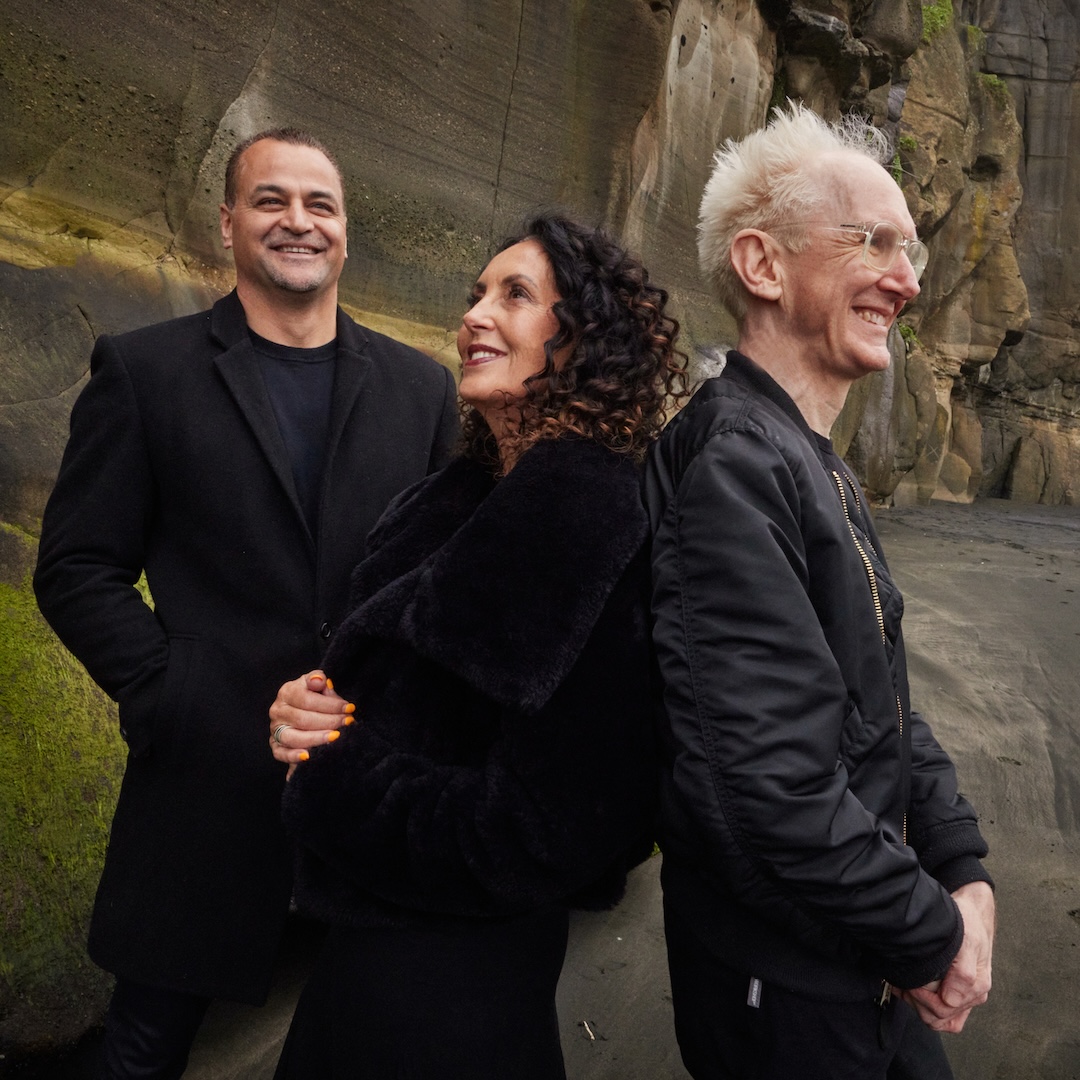
Photo credit: Stephen Tilley
Producers / Ngā Kaihautū
MOANA MANIAPOTO (Ngāti Tūwharetoa, Te Arawa) is an Art Laureate and inductee into the NZ Music Hall of Fame. Moana & the Tribe have played hundreds of international concerts across more than 30 countries. Moana is a Grand Jury Prize winner of the International Songwriting Contest with her spoken word track ‘Moko.’ Her 1993 debut album Tahi was the 2019 Independent Music NZ recipient of the Classic Album Prize “which aims to acknowledge New Zealand’s rich history of making fine albums that continue to inspire us and that also define who we are.” An award winning documentary maker and journalist, ONO is her 6th studio album.
PROFESSOR TE MANAHAU SCOTTY MORRISON (Te Arawa) is a highly respected contributor to the revitalisation of the Māori Language. A longtime songwriting collaborator, language advisor and performer of Moana’s, he co-wrote the giant haka fusion protest song Te Apo, the Māori Battalion tribute Pae o Riri and Ūpokohue (a place-getter in the International Songwriting Contest). His vocals and his lyrics feature on the album ONO. An actor, newsreader and writer, Scotty is Manukura at Television NZ and an inaugural member of Te Mātāwai, the group charged with the responsibility of revitalising Māori language. He was a finalist at the 2022 Voyager Media Awards and winner of the inaugural Libro.fm Audiobook of the Year Award.
PADDY FREE has fused his love of electronica and traditional Māori music to earn a special place within the NZ music industry. He has produced albums for Ngā Tae, Toni Huata, Salmonella Dub and Moana & the Tribe but is most famous as one half of the pioneering New Zealand electronic duo Pitch Black. An in-demand composer, performer and producer, Paddy writes music for dance, theatre, and art installations as well as soundtracks for films such as ‘Whetu Marama, Bright Star,’ ‘Moana Jackson: Portrait of a Quiet Revolutionary,’ and the theme for current affairs show ‘Te Ao with Moana.’